Introduction
Kalshi leads democratization of trading and prediction innovations. It’s unique in allowing members to trade on outcomes of real-world events where almost every other market is designed to trade on abstract contracts.
It’s facilitation of trading on events whether financial, social, political, temporal or otherwise enables attendees to draw a stake on real constructs of the future and make a profit based on the soundness of their model.
So What is Kalshi?
In a completely regulated marketplace, participants trade with each other based on forecasts of possible future outcomes and events. They trade outcomes instead of trading stocks and shares using structured contracts.
Examples include:
Will the inflation for the month increase?
Will X be enacted?
Participants trade on these contracts to earn a return on their outcome.
Understanding the Functionality of Kalshi

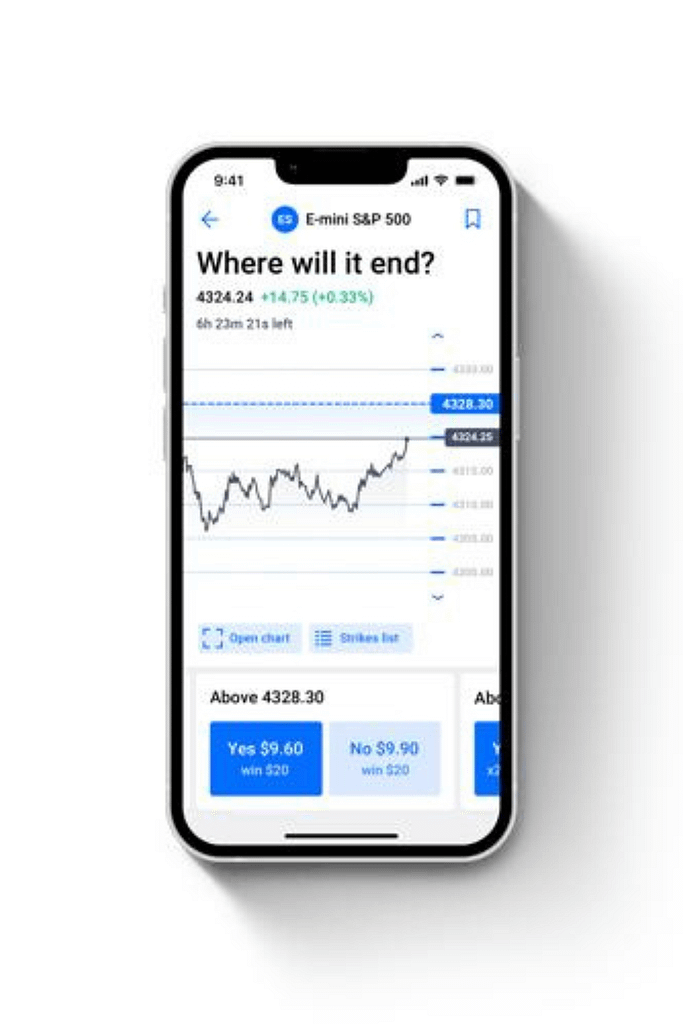
Kalshi operates, in its most basic form, in a very simple, yet powerful, manner:
Important Stages:
Select a Market – Pick an event to trade upon
Buy Contracts – Acquire Yes/No shares
Wait for Outcome – Event concludes through factual data
Profit – Accumulate gains depending on accurate forecasts
This simplifies trading versus typical financial markets.
Key Features of Kalshi
| Feature | Description |
| Event-Based Trading | Trade on real-world outcomes |
| Regulated Platform | Approved by financial authorities |
| Simple Contracts | Yes/No trading format |
| Data-Driven Insights | Market reflects real probabilities |
Benefits of Using Kalshi
1. Easy to Understand
A binary option system simplfies the trading model, making it beginner-friendly.
2. Real-World Relevance
Unlike abstract financial trading instruments, trades are built around real-life happenings.
3. Risk Management
Users enter trades knowing beforehand what their absolute maximum risk is.
4. Transparent Pricing
Market prices reflect the probability of an event happening.
Use Cases of Kalshi
Economic Projections
We have created an environment where users can trade on the following: job reports, inflation, and interest rates.
Political Events
Elections, policies, and eruption of government actions available for trading.
Weather & Climate
Rainfall, temperature, and events of a particular environment can be traded.
Kalshi vs Traditional Trading
| Aspect | Traditional Markets | Kalshi |
| Assets | Stocks, bonds | Event outcomes |
| Complexity | High | Simple |
| Risk | Variable | Fixed |
| Strategy | Technical analysis | Probability-based |
Kalshi Limitations
It may appear genius on the surface, but here are a couple of its limitations
Limited availability of the markets
Knowledge of certain probability is needed.
Some regions are restrictively legal.
Not all nations approve of people wagering on the real world.
Kalshi Potential
We can expect a bright future for the market due to the increasing demand for modern trading platforms. The role of prediction markets in the trading space is likely to expand as the focus I financial systems shift more to data and forecasting.
What is the purpose of Kalshi?
Kalshi uses a prediction market framework to build a venue of outcomes for real-world events to facilitate trading.
What is the regulatory status of Kalshi?
Among the few legal prediction markets is a controlled market operating with the approval of the U.S. financial authorities.
What is the process of earning money on Kalshi?
Users earn by trading contracts at prices they believe trading markets will edit them to and by correctly predicting the outcomes of markets.
Is Kalshi more like trading than gambling?
Definitely. It is governed and influenced by actual data and trader market mentality. This is much unlike gambling.
Conclusion
Offering a new way to trade, prediction markets let customers buy and sell shares as events happen in real time. This trustworthy, easy to understand, and automated system has proved to be valuable to all marketplaces (even those markets just starting out) and to both novice and advanced traders.
The evolution of trading models shows there is considerable promise in prediction markets (especially as tech users become more engaged). The options of the future and some other user-driven markets will most likely be adopted throughout the trading models.