Many people wonder why stretching feel good after waking up, finishing a workout, or sitting for long hours. The answer lies in muscle tension relief, improved blood circulation, nervous system relaxation, and endorphin release. The body and brain respond together, creating powerful physical and mental comfort.
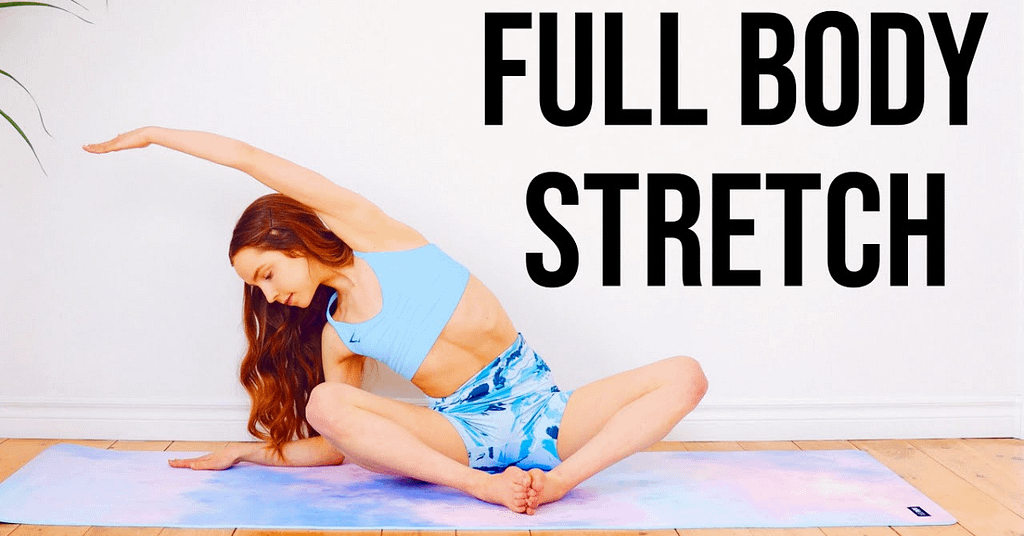
Muscle Fiber Lengthening and Tension Relief
Stretching causes muscle fiber lengthening. Tight muscles store stress from posture imbalance, intense activity, and emotional pressure. Lengthening reduces internal resistance and improves oxygen flow to the muscles.
Key physical responses include:
• Muscle tension relief
• Lactic acid reduction
• Fascia release therapy
• Range of motion improvement
• Joint lubrication through synovial fluid movement
Improved blood circulation delivers nutrients while removing metabolic waste. The neuromuscular response becomes smoother. Relief from tight muscles produces an immediate soothing sensation.
Flexibility improvement reduces stiffness around the hips, shoulders, and neck. Connective tissues gradually adapt, supporting long-term mobility.
Nervous System Relaxation and Calm Response
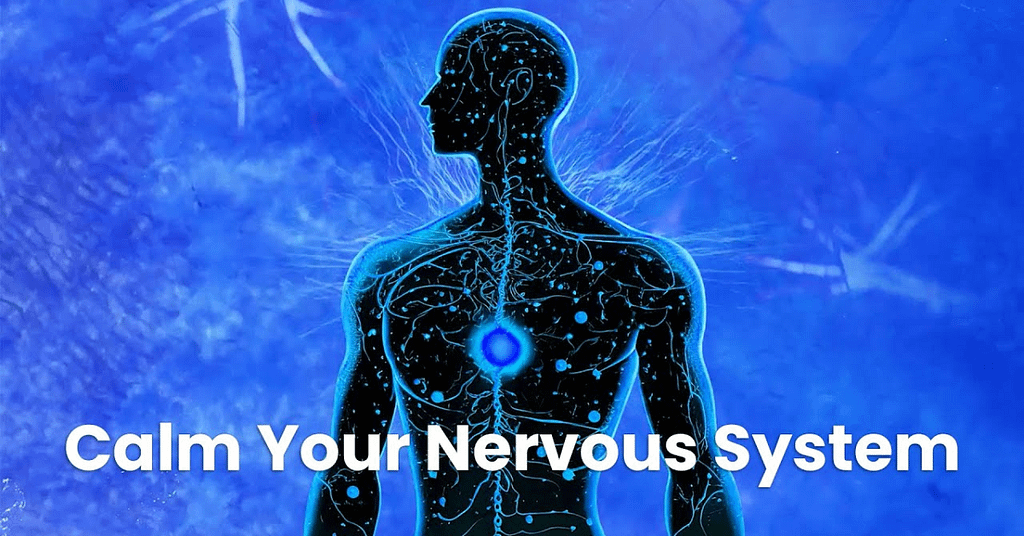
Why stretching feels relaxing is strongly connected to activation of the parasympathetic nervous system. Gentle static stretching signals safety to the brain. Stress hormone reduction follows naturally.
Important neurological effects include:
• Nervous system relaxation
• Relaxation response activation
• Heart rate stabilization
• A deeper breathing rhythm
• Reduced cortisol activity
Stretching works to relieve tension because sensory receptors within the muscles communicate release rather than danger. The brain interprets controlled stretching as safe expansion. Mental tension decreases alongside physical tightness.
The mind-body connection strengthens during focused stretching. Proprioception improves as the body senses alignment and position more clearly.
Endorphin Release and Brain Chemistry
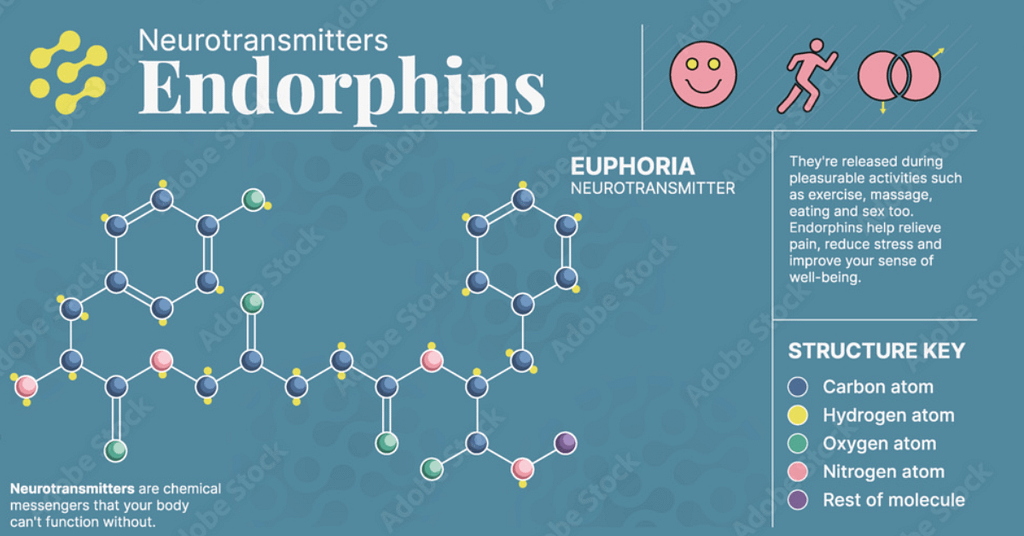
Does stretching release endorphins? Yes, moderate stretching stimulates a natural dopamine boost and increases serotonin levels. These neurotransmitters regulate mood, reward, and emotional balance.
How stretching affects the brain includes:
• Improved oxygen delivery
• Enhanced circulation toward brain tissue
• Activation of mood improvement pathways
• Improved mental clarity
Endorphin release reduces discomfort and produces subtle pleasure. Stretching for anxiety relief becomes effective because these chemical signals promote calm and stability. Combined neurological and chemical changes explain the deep satisfaction experienced during slow, controlled stretching.
Morning Stretching Benefits
Morning stretching benefits are especially noticeable because muscles remain shortened during sleep. Overnight immobility reduces circulation. Stretching restores blood flow and oxygen movement quickly.
Why stretching feels good in the morning relates to:
• Rapid joint lubrication
• Flexibility improvement
• Posture alignment correction
• Increased alertness
• Improved body awareness
Improved oxygen flow to the muscles supports energy production. Mental clarity improves as circulation increases. Natural activation replaces grogginess without external stimulants.
Stretching Before Workout and Recovery
Stretching before a workout prepares muscles through proper selection of dynamic or static stretching. Dynamic movement enhances neuromuscular response and performance readiness.
Stretching after exercise supports recovery by promoting:
• Lactic acid reduction
• Muscle soreness control
• Improved blood circulation
• Fascia release therapy
• Range of motion improvement
Athletic performance improves when flexibility combines with coordinated muscle activation. Relief from tight muscles reduces strain risk and enhances movement efficiency.
Psychological Comfort and Emotional Reset
Stretching affects emotional state as much as physical state. Stress hormone reduction aligns with nervous system relaxation. The relaxation response helps interrupt anxiety cycles.
Body awareness benefits include:
• A stronger mind-body connection
• Improved proprioception
• Enhanced emotional regulation
• A calmer breathing rhythm
Stretching works for anxiety relief because physical tension often reflects emotional tension. Releasing tight areas sends calming feedback to the brain. A natural dopamine boost and increased serotonin levels help create a balanced mood.
Long-Term Flexibility Improvement
Consistent stretching promotes lasting structural adaptation. Muscle fiber lengthening becomes more sustainable. Connective tissue elasticity gradually increases.
Ongoing benefits include:
• Improved posture alignment
• Stable joint lubrication
• Reduced injury risk
• Enhanced neuromuscular response
• Sustained range of motion
Stretching benefits extend beyond comfort and support long term movement efficiency and resilience.
Safety and Smart Stretching
Can overstretching cause injury? Yes, excessive force can lead to muscle strain and tissue damage. Safe stretching techniques help prevent harm.
Guidelines for protection include:
• Gradual progression of intensity
• Controlled breathing patterns
• Awareness of signs of muscle strain
• Balanced use of dynamic and static stretching
How long to hold a stretch depends on your goal. Gentle static stretching for twenty to thirty seconds supports flexibility improvement without overstressing the muscles.
Conclusion
Why stretching feels good is connected to muscle tension relief, improved blood circulation, nervous system relaxation, endorphin release, fascia release therapy, and flexibility improvement. Physical release combines with emotional balance through parasympathetic nervous system activation and a natural dopamine boost.
Stretching transforms simple movement into a restorative practice. Joint lubrication, improved range of motion, and enhanced mental clarity together create a powerful sensation of comfort and calm.
For more guides, you can visit our website
FAQs: Why Does Stretching Feel Good
Why do people moan when stretching?
Moaning during stretching happens because muscles release tension, breathing deepens, and the nervous system relaxes, creating a natural sound of relief.
Why does stretching feel so good in bed?
Stretching in bed feels good because muscles are stiff after sleep. Movement restores circulation, lubricates joints, and activates calming brain responses.
Why do we get the urge to stretch?
The urge to stretch occurs when muscles feel tight or inactive. The body signals a need to improve blood flow, reset posture, and restore mobility.
Does stretching release brain chemicals?
Yes, stretching can release endorphins and increase dopamine and serotonin, which improve mood, reduce stress, and create a feeling of comfort.