A poor mentality doesn’t relate to actual financial status—it’s a mindset that limits potential and keeps individuals trapped in scarcity thinking. Research from the Census Bureau shows that mindset significantly impacts economic outcomes.
While poverty in America remains tracked through official poverty measure statistics, mental frameworks often determine whether people escape challenging circumstances.
Key Characteristics of a Poor Mentality
Understanding limiting thinking helps identify these patterns. A poor mentality manifests through several distinct characteristics that research and blog discussions highlight.
Scarcity Thinking: Individuals believe resources are fundamentally limited. They operate from fear that there’s never enough—whether money, opportunities, or success.
The annual social and economic supplement data shows economic realities, but scarcity thinking extends beyond actual financial constraints measured by the u.s. census bureau.
Fixed Mindset About Abilities: Those with poor mentality believe their capabilities are static. They think success belongs to other people, not them. This perspective prevents growth and keeps individuals stuck rather than developing skills that improve their situation.
Short-Term Focus: Poor mentality prioritizes immediate gratification over long-term benefits. While families facing actual poverty measured by official poverty rate standards may need immediate focus, the mentality extends this pattern unnecessarily, undermining future security.
Victim Mentality: Individuals blame external circumstances—the government, the economy, their background—without acknowledging personal agency.
While systemic barriers exist (documented through poverty data), victim thinking prevents taking available actions that could improve circumstances.
Fear of Risk: Poor mentality avoids calculated risks. People stay in unsatisfying situations because change feels dangerous. They don’t invest in education or career changes that might improve income because immediate cost seems too great.
How to Shift to an Abundance Mindset
Transforming from poor mentality to abundance thinking requires intentional practice. Research from organizations studying economic mobility suggests mindset changes often precede material improvements.
Practice Gratitude: Regular appreciation for current resources rewires thinking patterns. This helps recognize abundance already present rather than fixating on what’s missing, developing balanced perspective about poverty in the united states.
Invest in Learning: Education—whether formal or self-directed through websites, blogs, or resources—expands possibilities. The bureau shows correlation between education and income levels. Continuous learning develops adaptable thinking that characterizes abundance mindset.
Reframe Failure: View setbacks as learning opportunities rather than permanent defeats. People with abundance mentality understand that most successful individuals failed repeatedly before achieving goals.
Surround Yourself Wisely: Relationships profoundly influence mindset. Spending time with people who demonstrate abundance thinking gradually reshapes one’s own patterns. Online communities and support networks provide opportunities to connect with growth-minded individuals.
Challenge Limiting Beliefs: When thoughts like “I can’t afford that” arise, question them. Ask “What would make this possible?” This mental exercise opens creative problem-solving rather than accepting limitations as permanent.
Give Generously: Sharing resources—time, knowledge, or money—reinforces abundance thinking. Even those receiving public assistance or relying on social security can find ways to contribute to others.
Poor Mentality at Workplace
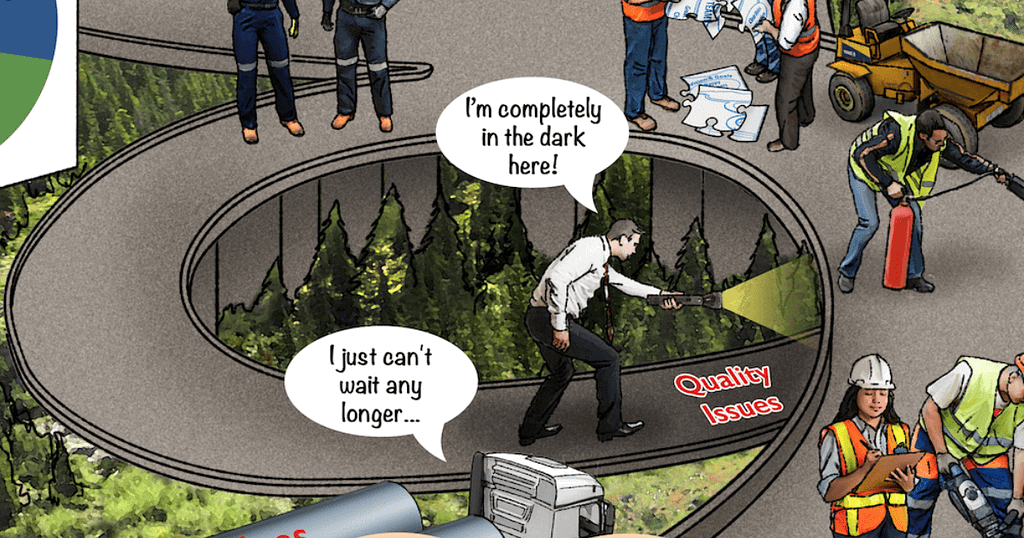
Workplace environments often magnify poor mentality patterns, affecting career progression and job satisfaction.
Resistance to Feedback: Employees with poor mentality interpret constructive criticism as personal attack rather than growth opportunity. They become defensive and miss chances to improve skills while colleagues advance.
Hoarding Information: Some individuals withhold knowledge from coworkers, believing that sharing diminishes their value. This scarcity thinking actually limits their influence and prevents collaborative relationships that lead to advancement.
Avoiding Challenges: Poor mentality at work means choosing safe, familiar tasks over stretch assignments that build skills. People decline projects that might showcase abilities because fear of failure outweighs desire for growth.
Negative Communication: Constant complaints about management or company policies create toxic atmosphere. While legitimate workplace issues deserve addressing (and statistics from the survey of income and program participation show that work conditions impact economic security), chronic negativity without constructive action reflects poor mentality.
Limited Initiative: Waiting to be told what to do rather than identifying opportunities keeps individuals in junior positions. Abundance-minded employees proactively solve problems and create value, which organizations recognize through promotions.
At Workplace: How to Overcome
Transforming workplace mindset requires specific strategies tailored to professional environments.
Seek Mentorship: Connect with senior colleagues or director-level professionals who demonstrate abundance thinking. Taking initiative to contact support from experienced professionals shows growth-oriented thinking.
Document Achievements: Keep detailed records of contributions and projects completed. This practice combats the tendency to minimize accomplishments and provides concrete evidence when discussing advancement opportunities.
Volunteer for Growth Projects: Actively pursue assignments outside comfort zones. These experiences build skills, increase visibility, and demonstrate initiative that management notices.
Build Collaborative Relationships: Share knowledge freely with colleagues, offer assistance, and celebrate others’ successes genuinely. This abundance approach creates networks of reciprocal support that benefit everyone involved.
Focus on Solutions: When problems arise, resist complaining and instead propose actionable solutions. This shift positions individuals as valuable problem-solvers rather than obstacles.
Invest in Professional Development: Use available resources—whether employer-provided training, online courses from educational websites, or industry conferences—to continuously expand capabilities.
Final Thoughts
Poor mentality represents learned patterns that can be unlearned through conscious effort. While actual poverty requires systemic solutions including social welfare programs and social insurance programs, psychological scarcity thinking affects all economic levels. Breaking free maximizes opportunities and improves quality of life regardless of circumstances.
For more guides & news, you can visit our website
FAQs
What does it mean to have a poor mentality?
Having a poor mentality means operating from scarcity thinking regardless of actual financial status. It’s a limiting mindset that believes resources are scarce, success belongs to others, and circumstances can’t change.
What is an example of a poor mindset?
An example is refusing career opportunities because of fear: “I can’t learn that skill” or “Success isn’t for people like me.” Another is hoarding knowledge at work instead of collaborating with colleagues.
What causes a lack mentality?
Lack mentality develops from past experiences with scarcity, negative environments, fear-based upbringing, or repeated setbacks. It can stem from actual poverty or simply learned patterns from family and social influences.
How to stop having a poor mentality?
Stop poor mentality by practicing gratitude, challenging limiting beliefs, investing in learning, gathering with positive people, reframing failures as lessons, and taking calculated risks despite fear.