Oil pulling is an ancient oral care practice that has gained modern attention for its natural approach to dental hygiene. When people search for oil pulling benefits, they are often looking for a safe and chemical-free way to improve oral health. While oil pulling does not replace brushing or professional dental care, it can be a helpful addition to your daily oral hygiene routine.
This article explores the dental oil pulling benefits, how it works, and how to do it correctly for healthier teeth and gums.
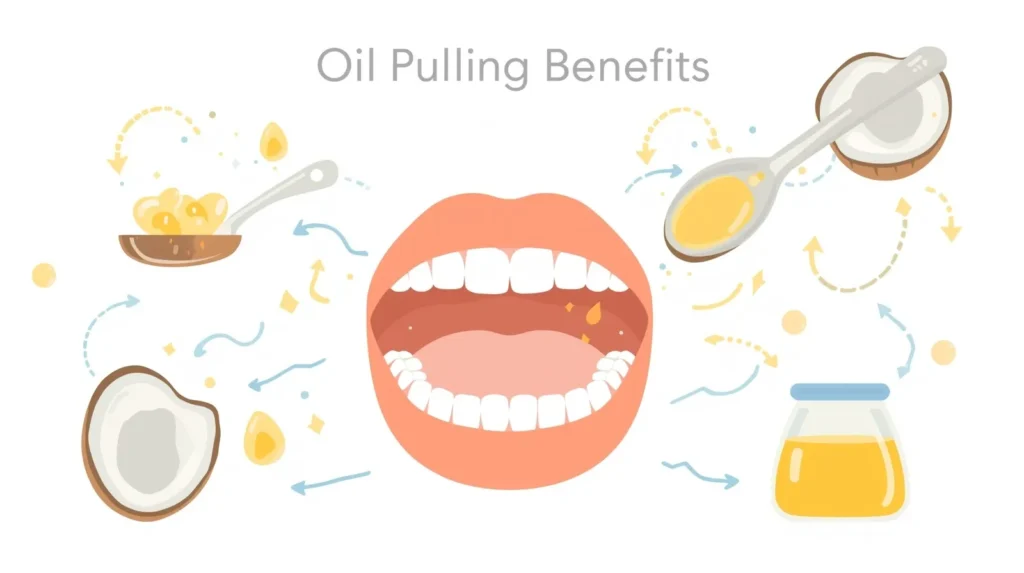
What Is Oil Pulling?
Oil pulling is a traditional Ayurvedic oral health practice that involves swishing oil in the mouth for several minutes before spitting it out. The most commonly used oils are coconut oil and sesame oil, both known for their antibacterial properties.
The idea behind oil pulling is simple: when oil is swished around the mouth, it binds with bacteria, plaque, and toxins. Removing the oil afterward helps reduce harmful bacteria that can affect teeth, gums, and overall oral hygiene.
Oil Pulling Benefits for Dental Health
For Teeth
One of the most talked-about oil pulling benefits is its positive effect on teeth. Regular oil pulling may help reduce bacteria that contribute to cavities and enamel damage. By lowering bacterial buildup, oil pulling supports cleaner teeth and a healthier mouth environment.
For Gums
Healthy gums are essential for strong teeth. Oil pulling may help soothe gum inflammation and reduce redness or swelling. Many people use oil pulling for bleeding gums and early signs of gum sensitivity as part of their natural dental care routine.
Oil Pulling for Plaque and Tartar Control
Plaque buildup is a major cause of tooth decay and gum disease. Oil pulling may help limit plaque formation by reducing the bacteria that cause it. While it does not remove hardened tartar, it can support plaque control when combined with brushing and flossing.
Oil Pulling for Bad Breath
Bad breath, also known as halitosis, is often caused by bacteria in the mouth. One of the noticeable oil pulling benefits is fresher breath. By reducing odor-causing bacteria, oil pulling can help improve mouth freshness naturally.
Does Oil Pulling Really Improve Oral Hygiene?
Oil pulling should be seen as a supportive oral hygiene practice, not a replacement for brushing or flossing. Compared to mouthwash, oil pulling is free from alcohol and artificial chemicals, making it a gentle option for people with sensitive gums.
Some studies suggest that oil pulling may reduce harmful oral bacteria, which contributes to better oral health over time. However, dentists agree that oil pulling works best when used alongside regular brushing, flossing, and dental checkups.
Best Oils for Dental Oil Pulling
Coconut Oil Pulling Benefits for Teeth
Coconut oil is one of the most popular choices due to its natural antimicrobial properties. Coconut oil pulling benefits for teeth include improved oral hygiene, reduced bacteria, and a pleasant taste that makes daily use easier.
Sesame Oil for Oral Health
Sesame oil has been used traditionally in Ayurveda for oral care. It may support gum health and help reduce plaque buildup. Some people prefer sesame oil for its lighter texture and traditional use.
Which Oil Is Best for Gum Health?
Both coconut oil and sesame oil offer dental oil pulling benefits. Coconut oil is often preferred for beginners, while sesame oil is valued for traditional oral therapy. The best oil is the one you can use consistently.
How to Do Oil Pulling Correctly for Dental Health
- Take one tablespoon of oil
- Swish gently in your mouth for 10–15 minutes
- Avoid swallowing the oil
- Spit it out into a trash bin
- Rinse your mouth and brush your teeth
The best time to do oil pulling is in the morning before eating or drinking. Practicing oil pulling 3–5 times a week is enough to experience benefits without overdoing it.
Common Mistakes to Avoid While Oil Pulling
Many people make the mistake of swallowing oil after pulling, which should always be avoided. Swishing too hard can also cause jaw fatigue. Using low-quality or refined oils may reduce the effectiveness of oil pulling for dental health.
Oil Pulling Side Effects and Safety Tips
Oil pulling is generally safe, but some people may experience mild jaw discomfort or nausea at first. If you have serious gum disease, loose teeth, or dental pain, consult a dentist before starting oil pulling. Children should only practice oil pulling under supervision.
Benefits vs Common Myths
Oil pulling can help maintain oral hygiene, but it does not cure cavities or replace professional dental treatment. While some people notice brighter teeth, oil pulling does not chemically whiten enamel. It is best viewed as a natural oral care supplement, not a miracle cure.
Thoughts
The oil pulling benefits for dental health make it a simple and natural addition to daily oral care. From supporting gum health to reducing bad breath and harmful bacteria, oil pulling can contribute to a cleaner and healthier mouth when practiced correctly.
For best results, combine oil pulling with regular brushing, flossing, and professional dental advice. When used consistently, oil pulling can be a gentle, effective step toward improved oral hygiene and long-term dental health.
For more guides, you can visit our website
FAQs
Is it good to do oil pulling every day?
Yes, oil pulling can be done daily if done gently. However, 3–5 times a week is usually enough for maintaining good oral hygiene and healthy gums.
Is oil pulling actually good for your teeth?
Oil pulling may help reduce harmful bacteria, improve oral hygiene, and support healthier teeth when used alongside brushing and flossing.
What are the side effects of oil pulling?
Possible side effects include jaw fatigue, nausea, or mild discomfort, especially if done too long or too forcefully. It’s generally safe when done correctly.
What comes out when you oil pull?
Oil pulling removes bacteria, plaque particles, and toxins from the mouth. The oil turns milky as it mixes with saliva and trapped impurities.