Batana oil benefits have attracted growing interest among people searching for natural ways to improve hair, skin, and long-term beauty care. This nutrient-dense oil comes from the nuts of the American palm tree (Elaeis oleifera) and has been traditionally used by the Miskito people of Honduras and other parts of Central America.
Often referred to as a natural miracle oil, batana oil has been valued for generations for restoring hydration, improving texture, and enhancing the appearance of damaged strands.
In modern beauty routines, many people choose batana oil as a supportive, plant-based option to counter dryness, breakage, and dullness caused by frequent heat styling, harsh products, or environmental stress.
Because it is minimally processed and rich in beneficial acids, it fits well into holistic haircare and skincare approaches focused on long-term health rather than quick fixes.
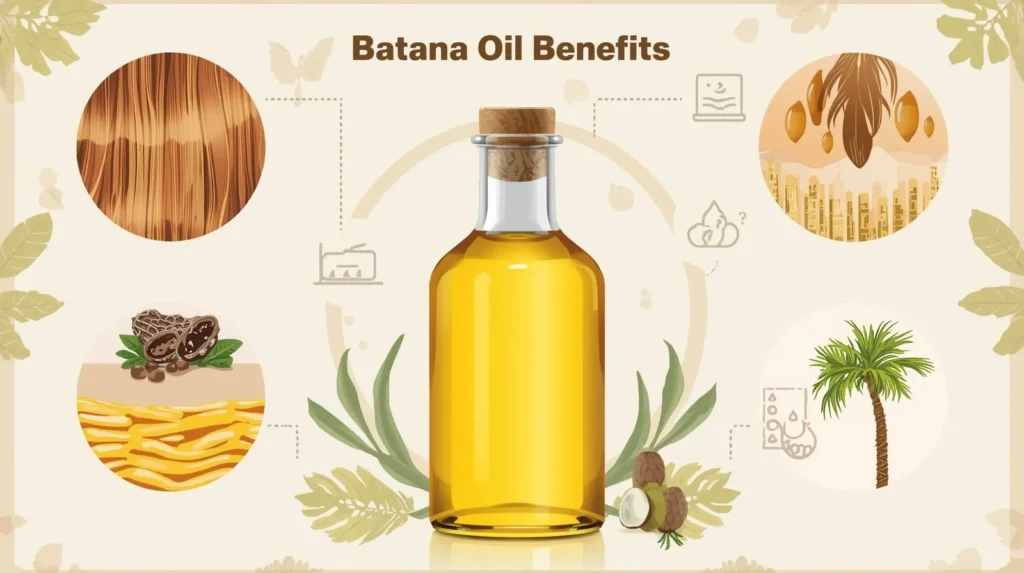
What Are the Benefits of Batana Oil?
One of the most recognized batana oil benefits is its ability to nourish the scalp and strengthen hair follicles. Its natural fatty acids help seal moisture into the hair shaft, reducing dryness and improving flexibility. With consistent use, many users report smoother texture, reduced frizz, and a noticeable boost in natural shine.
Batana oil also supports skin health. As a rich emollient, it helps soften rough areas, improve elasticity, and support hydration for dry skin. Some people include it in their skincare routine to help reduce the appearance of stretch marks and uneven tone. When used before gentle exfoliating, it can help loosen dead skin, making cleansing more effective.
Additional benefits often reported by many users include:
- Supporting visible hair growth by improving follicle conditions
- Helping reduce hair loss caused by dryness or breakage
- Enhancing strand resilience against daily damage
- Improving comfort for sensitive scalps prone to irritation
Because batana oil is sourced from organic ingredients and traditional methods, it is often preferred by individuals seeking cleaner, culturally rooted beauty products.
Why Should I Try Batana Oil for Hair Care?
People experiencing thinning hair, dryness, or early signs of baldness often explore batana oil as a complementary option. While it is not a replacement for clinical solutions such as minoxidil or platelet-rich plasma, it works well alongside professional treatment plans by improving moisture balance and scalp comfort.
Batana oil suits a wide range of hair types, including coarse textures, curls, and fine hair. Applying a small amount, typically just a few drops, helps avoid heaviness while still delivering nourishment. Many people massage it gently into the scalp or apply it to the ends of the hair to reduce splitting.
As a leave-in conditioner or deep conditioning treatment, batana oil can help restore softness lost through frequent washing or chemical exposure. With regular application, visible improvements in manageability and strength are often noticed within a week, especially when paired with gentle styling habits.
Boost Your Hair Transplant Results with the Power of Batana Oil
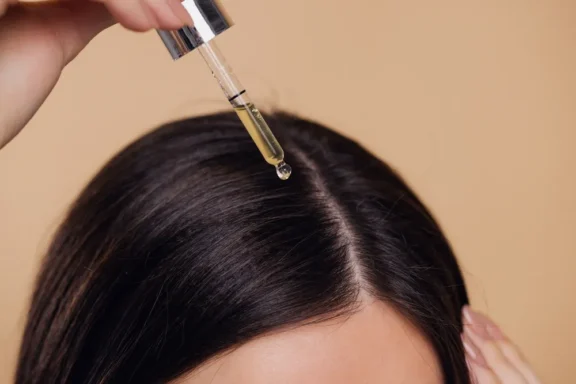
Post-procedure care is essential for anyone undergoing hair restoration. Maintaining proper scalp health helps protect newly transplanted follicles and supports long-term results. Batana oil may be introduced during later recovery stages to help reduce surface dryness and promote comfort.
Professionals typically recommend waiting until the scalp has fully healed before using any oil. Once approved, applying a small amount can help support hydration and reduce tightness. Used carefully, batana oil can complement medical regimens focused on hair growth and recovery.
In some cases, people combine batana oil with lightweight essential oils to enhance relaxation during scalp massage. This practice may also help improve circulation and support overall scalp wellness when done gently.
Potential Side Effects and Safety Tips
Although batana oil is considered gentle, side effects can still occur in rare cases. People with sensitive skin may experience mild irritation, redness, or itching. Those with existing scalp conditions such as alopecia, severe dandruff, or chronic inflammation should be especially cautious.
To minimize risk:
- Always perform a patch test before first use
- Use a small amount to avoid buildup
- Avoid applying to broken or inflamed skin
- Pregnant individuals should consult a healthcare provider
Understanding potential side effects ensures batana oil remains a safe and supportive part of a broader beauty regimen.
Key Takeaways
- Batana oil benefits include improved hydration, shine, and strand strength
- It supports scalp health and overall hair health naturally
- Best results come from consistent, moderate use
- Works as a supportive option alongside professional hair treatments
- Suitable for both hair and skin care routines
For more Fashion & Lifestyle guides, you can visit our website
FAQs
Does batana oil actually regrow hair?
Batana oil does not regrow hair medically, but it may support healthier hair growth by nourishing the scalp, strengthening follicles, and reducing breakage over time.
What are the side effects of Batana oil?
Possible side effects include scalp irritation, itching, or redness in sensitive users. A patch test is recommended before regular use.
What is Batana oil in Pakistan?
In Pakistan, batana oil is sold as natural hair oil, often imported, and used mainly for scalp care, hair nourishment, and damage repair.
What is the strongest oil for hair growth?
Castor oil is often considered the strongest for hair growth due to its ricinoleic acid, while batana oil supports scalp health and strength.
What happens if you leave batana oil in your hair overnight?
Leaving batana oil overnight can deeply moisturize hair and scalp, but excessive use may cause buildup if not washed properly.