Teeth discoloration is a common concern caused by coffee tea smoking aging and plaque buildup. Many people searching does baking soda whiten teeth want a natural affordable solution for a brighter smile.
Baking soda also known as sodium bicarbonate has long been used in oral care because of its mild abrasive and antibacterial properties. Understanding how it works and how to use it safely helps avoid damage while improving oral appearance.
What Makes Teeth Look Yellow or Stained
Teeth stains usually fall into two categories surface stains and deep discoloration. Surface stains form from dark foods drinks tobacco and plaque accumulation. Deep stains occur inside the tooth structure due to aging medications or trauma.
Baking soda works best on surface stains because it cleans the outer enamel layer rather than altering natural tooth color.
Does Baking Soda Whiten Teeth Effectively
The answer to does baking soda whiten teeth depends on stain type and usage method. Baking soda gently scrubs away surface stains using mild abrasion. It does not bleach teeth or change internal tooth color. This makes baking soda teeth whitening useful for people looking to reduce yellow appearance caused by daily habits.
Many whitening toothpastes include baking soda because it cleans without harsh chemicals. Studies suggest baking soda removes plaque more effectively than non baking soda toothpaste which contributes to a cleaner brighter smile.
How Baking Soda Removes Teeth Stains
Baking soda particles help polish enamel by lifting stains from the surface. Its alkaline nature neutralizes acids in the mouth which reduces enamel erosion and bacterial growth. This dual action supports oral hygiene and fresh breath while improving appearance.
Baking Soda for Yellow Teeth Results
People using baking soda for yellow teeth often notice gradual improvement rather than instant whitening. Consistent gentle use may improve brightness within a few weeks especially when combined with proper brushing flossing and reduced intake of staining foods.
Baking Soda Teeth Whitening Safety Considerations
Although baking soda is considered safe for teeth when used correctly excessive use may cause enamel wear. Enamel once damaged cannot regenerate. This is why dentists recommend moderation.
Is Baking Soda Safe for Teeth Daily
Using baking soda daily may increase sensitivity and enamel thinning. Dental experts suggest limiting use to two or three times per week. Mixing baking soda with water or toothpaste helps reduce abrasiveness.
Can Baking Soda Damage Enamel
Yes overuse or aggressive brushing with baking soda can damage enamel. This risk increases when combined with acidic substances like lemon juice. Safe application requires gentle brushing and short exposure time.
Natural Teeth Whitening at Home Using Baking Soda
Baking soda fits well into natural teeth whitening at home routines. Simple methods include mixing a small amount with water or adding it to fluoride toothpaste. Some people combine baking soda and hydrogen peroxide for enhanced stain removal but this should be done cautiously to avoid irritation.
How Often to Use Baking Soda on Teeth
Most dentists advise using baking soda once or twice weekly. This frequency balances cleaning benefits with enamel protection. Always rinse thoroughly and follow with a fluoride toothpaste to strengthen enamel.
Baking Soda vs Whitening Toothpaste
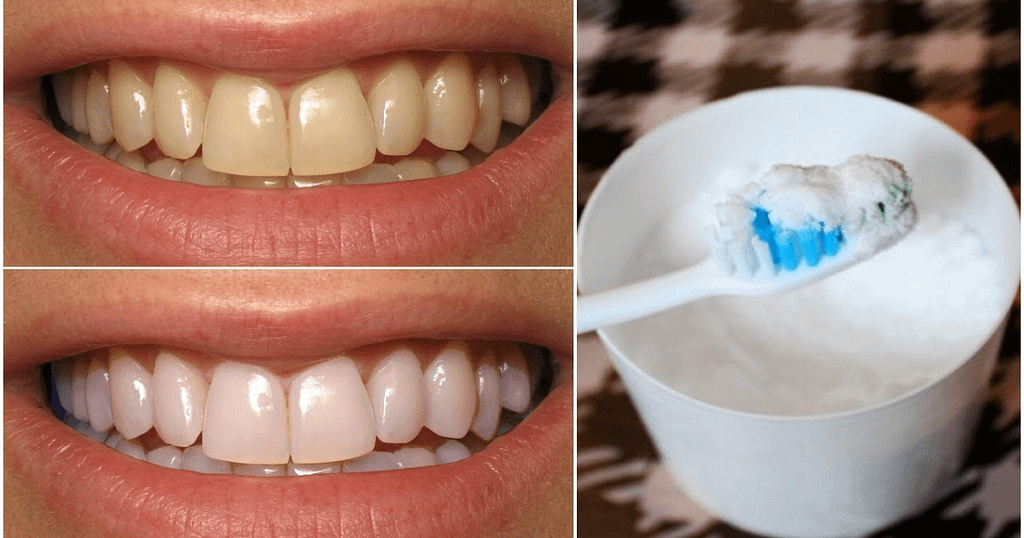
Baking soda vs whitening toothpaste comparisons show both have benefits. Whitening toothpaste often contains polishing agents and chemical whiteners. Baking soda offers a simpler chemical free alternative but lacks fluoride unless combined with toothpaste. For long term oral health fluoride remains essential.
Dentist Opinion on Baking Soda Whitening
Dentist opinion on baking soda whitening generally supports limited use. Dentists recognize its effectiveness against surface stains and plaque but warn against daily application. Professional guidance ensures safe results without long term damage.
Baking Soda Benefits Beyond Whitening
Baking soda offers additional oral health benefits. It helps reduce bacteria that cause bad breath supports plaque removal and maintains balanced mouth pH. These advantages contribute to overall oral hygiene even if whitening results are modest.
Teeth Whitening Without Bleach Expectations
Teeth whitening without bleach such as baking soda methods produce subtle changes rather than dramatic results. Individuals expecting bright white teeth may require professional treatments. Baking soda works best as a maintenance solution rather than a transformation method.
Enamel Safe Teeth Whitening Tips
To keep enamel safe while whitening teeth naturally avoid hard brushing limit baking soda use drink water after staining foods and maintain regular dental visits. Combining good habits with gentle whitening methods protects teeth long term.
Thought: Baking Soda Teeth Whitening
Does baking soda whiten teeth effectively Yes for surface stains and maintenance whitening when used correctly. It offers a natural affordable option for improving tooth appearance while supporting oral health.
However moderation and proper technique remain essential to avoid enamel damage. For best results combine baking soda use with daily oral care and professional dental advice.
For more tips & guides, you can visit our website
FAQs
How long does it take baking soda to whiten the teeth?
Visible results usually appear within two to three weeks when baking soda is used gently two times a week on surface stains.
Is it safe to whiten your teeth with baking soda?
Yes baking soda is safe when used occasionally. Overuse or aggressive brushing may damage enamel and increase sensitivity.
Can I mix baking soda with my toothpaste?
Yes mixing a small amount of baking soda with regular toothpaste is a safer way to clean stains while protecting enamel.
Can yellow teeth turn white again?
Yellow teeth caused by surface stains can appear whiter with proper oral care and gentle whitening methods. Deep stains need professional treatment.