Types of dresses play a significant role in how people express personal style, confidence, and individuality. Understanding types of dresses helps individuals make better fashion choices for different occasions, seasons, and comfort needs.
From everyday casual outfits to elegant formal wear, types of dresses offer variety in fabric, length, color, and silhouette. Learning about types of dresses also allows shoppers to plan outfits wisely, avoid unnecessary returns, and enjoy a smoother shopping experience.
Dresses have remained an essential part of fashion across cultures and generations. While trends may change over time, dresses continue to adapt, offering new designs while maintaining classic shapes that never go out of style.
Types of Dresses You Should Know Before Shopping
Knowing the most common dress styles makes it easier to choose the right option based on body shape, lifestyle, and event type. Each dress category serves a specific purpose and creates a distinct visual appeal.
A-Line Dresses
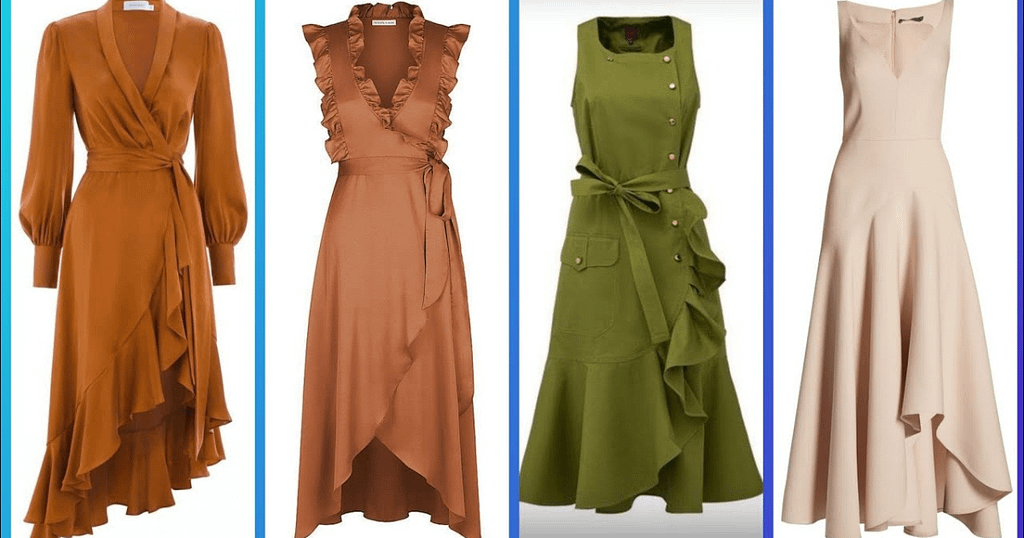
A-line dresses are fitted at the shoulders and gradually widen toward the hem, forming a balanced silhouette. This design makes them suitable for casual outings, office settings, and semi-formal events. A-line dresses are popular because they provide comfort while offering a polished appearance that suits many body types.
Ball Gown Dresses
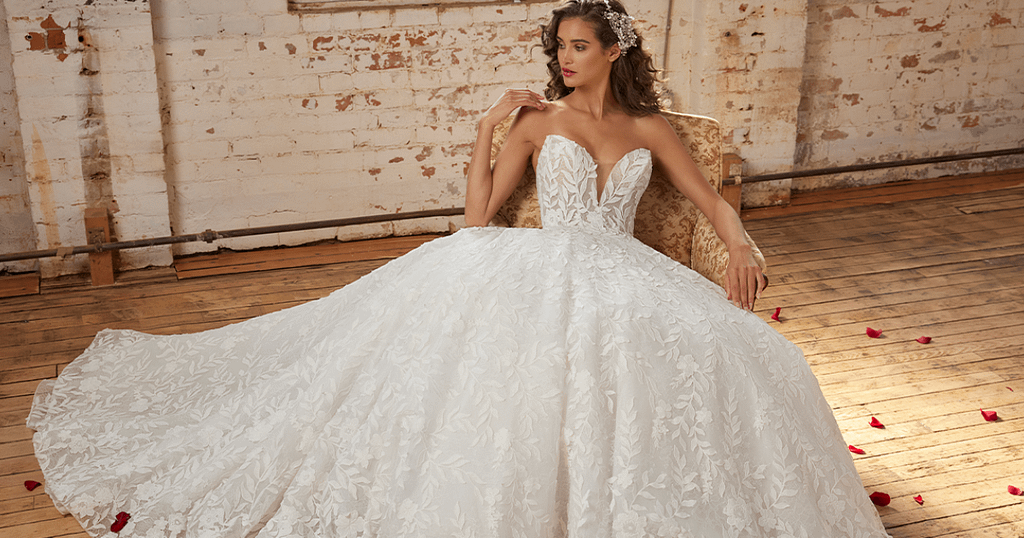
Ball gown dresses feature a structured bodice paired with a voluminous skirt. These dresses are often selected for weddings and formal celebrations due to their dramatic and elegant look. Designers often use layered fabric and detailed craftsmanship to enhance the overall appearance.
Sheath Dresses
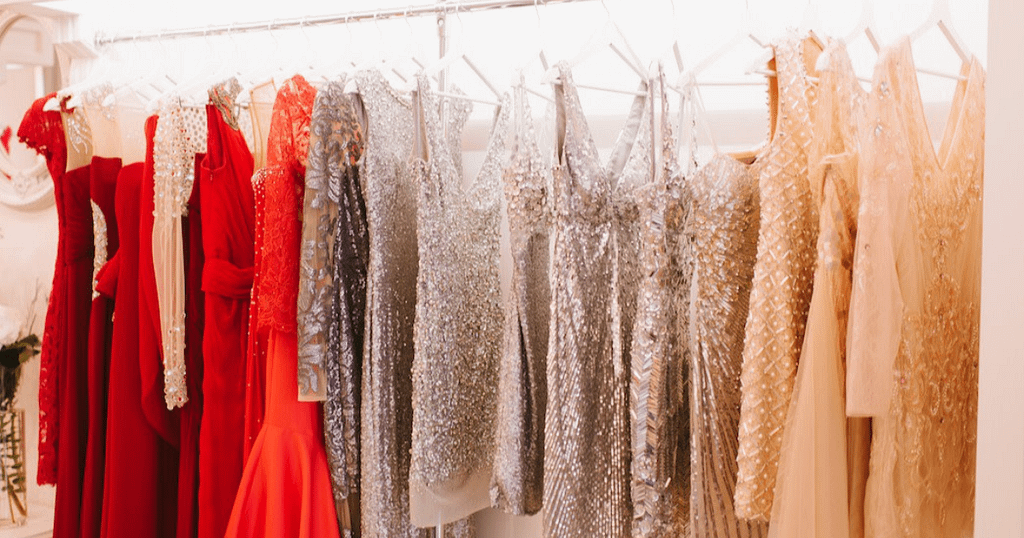
Sheath dresses follow the natural line of the body without flaring out. This style is favored for professional environments and formal occasions where simplicity and sophistication are valued. The clean structure highlights posture and tailoring rather than heavy embellishments.
Mermaid Dresses
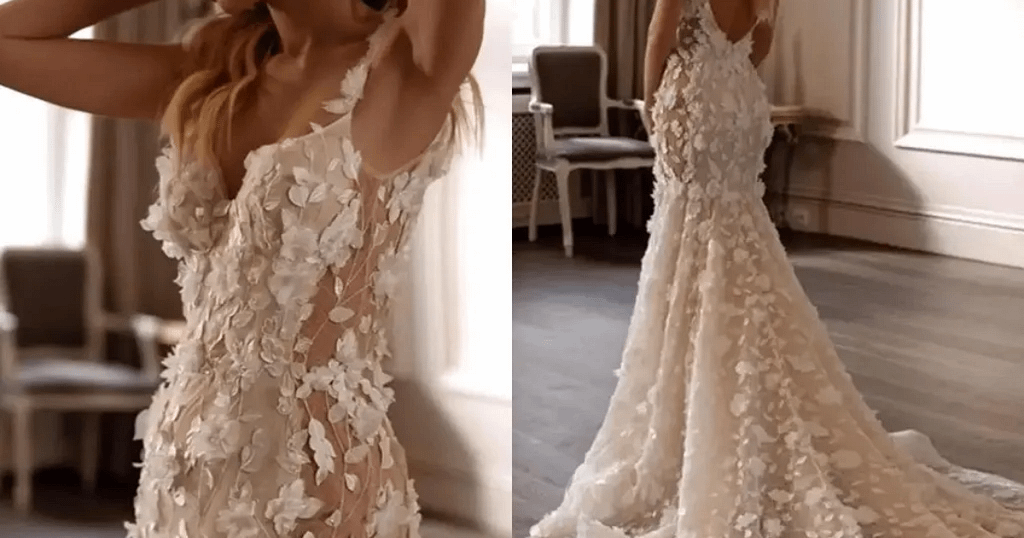
Mermaid dresses are fitted through the waist and hips before flaring near the knees. This creates a striking silhouette that emphasizes curves. These dresses are commonly worn at evening events and special celebrations where bold fashion choices are appreciated.
Maxi Dresses
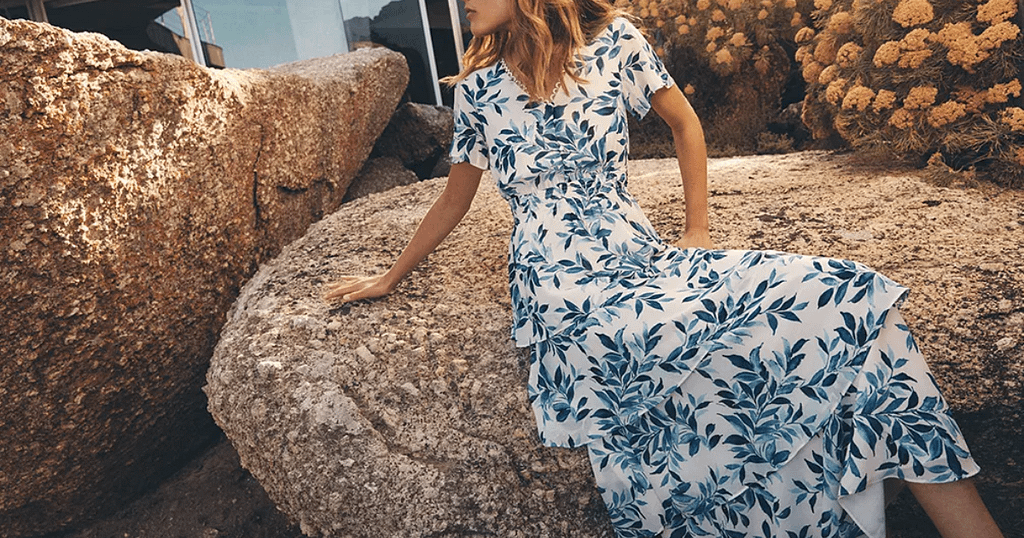
Maxi dresses extend to the ankles or floor and are known for their relaxed and flowing design. They are widely worn during warmer months, vacations, or casual gatherings. Maxi dresses provide coverage while still allowing comfort and airflow.
Mini Dresses

Mini dresses are characterized by their shorter length and youthful appeal. They are often chosen for casual events, parties, or daytime outings. Mini dresses can be styled with sweaters, jackets, or layered accessories to suit different seasons.
Wrap Dresses
Wrap dresses feature a front closure that ties at the waist, allowing adjustable fit and flexibility. This style is well known for its comfort and flattering shape. Wrap dresses work well for both casual wear and professional settings.
Shirt Dresses
Shirt dresses are inspired by traditional button-down shirts and combine structure with ease. They are ideal for daily wear and can be styled up or down depending on accessories. Adding belts or footwear can completely transform their appearance.
Slip Dresses
Slip dresses are lightweight and minimal in design, usually made from smooth, flowing fabric. They are often worn as standalone outfits or layered with jackets and sweaters. Their simplicity makes them versatile for multiple occasions.
Bodycon Dresses
Bodycon dresses are designed to fit closely to the body and highlight natural curves. These dresses are popular for evening wear and social events where confident styling is desired. Fabric stretch and proper fit are essential for comfort.
Choosing the Right Dress Style
Selecting the right dress involves more than following trends. Fabric quality, fit, comfort, and color all play an important role. Checking measurements, stock availability, and return policies helps ensure satisfaction after purchase.
For more guides, you can visit our website
FAQs
What are the types of dresses?
Common types of dresses include A-line, maxi, mini, sheath, wrap, bodycon, ball gown, and shirt dresses. Each style suits different occasions, body shapes, and comfort preferences.
What are Pakistani dresses called?
Pakistani dresses include shalwar kameez, anarkali, lehenga, gharara, and kurta. These outfits reflect cultural traditions and are worn for daily use, festivals, and weddings.
What is the 3 outfit rule?
The 3 outfit rule suggests owning three go-to outfits: one casual, one professional, and one formal. This helps maintain a balanced wardrobe for most everyday situations.
What are the 4 types of professional dress?
The four types of professional dress are business formal, business professional, business casual, and smart casual. Each level reflects different workplace expectations and dress codes.