The concept of soul ties refers to the profound connections that form between people through emotional, physical, or spiritual bonds. These ties can occur in romantic relationships, family members, or even close friendships. Understanding soul ties meaning helps individuals recognize healthy soul ties and identify unhealthy soul ties, ensuring better mental health, personal growth, and overall well-being.
A soul-tie connection often influences emotions, thoughts, and behaviors, affecting how individuals navigate love, intimacy, and everyday relationships. Over time, these bonds can deepen, creating a sense of belonging or, in some cases, attachment challenges that impact daily life and decision-making.
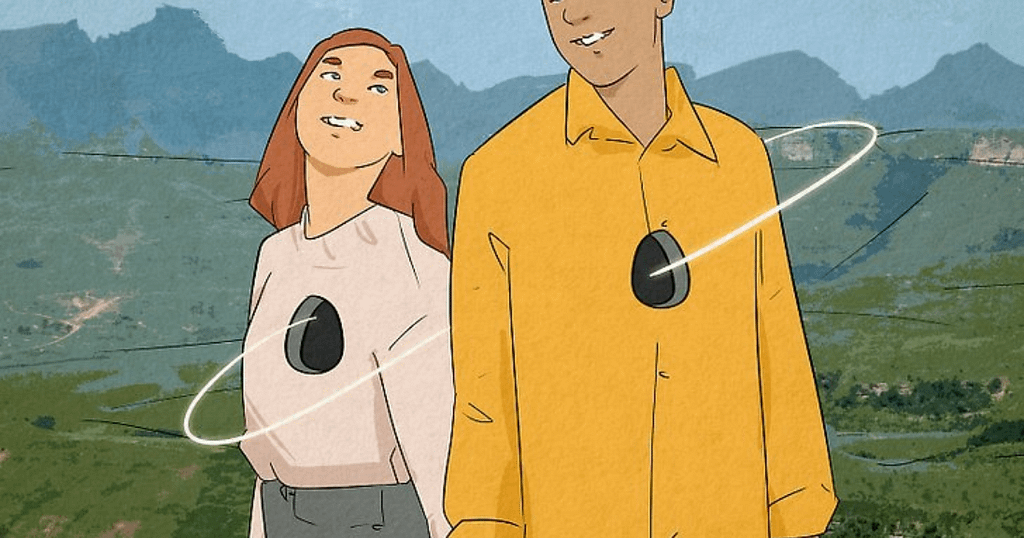
Soul Ties Meaning: What Is a Soul Tie?
A soul tie is a deep emotional connection or spiritual bond between two individuals. This tie connection can form through emotional bonds, physical intimacy, or shared life experiences that create lasting impressions on both people involved.
Types of soul ties include:
- Emotional soul ties: Bonds formed through emotional connections, such as deep conversations, shared trauma, or prolonged companionship. These ties develop when people confide in each other during vulnerable moments.
- Spiritual soul ties: Connections developed through shared spiritual beliefs, rituals, or meditation practices. These ties often feel divinely guided and provide deep meaning to both individuals.
- Physical intimacy ties: Bonds that develop through sexual intimacy, often intertwined with emotional closeness. Physical intimacy releases bonding hormones like oxytocin that strengthen the connection between partners.
A healthy soul tie supports personal growth, mutual respect, and well-being, while an unhealthy soul tie can result in toxic relationships, emotional dependency, or lingering attachment issues.
Do Soul Ties Have a Scientific Basis?
While the idea of soul ties is often explored in spiritual and new age contexts, research in clinical psychology and attachment theory provides insight into how emotional bonds affect mental health. Studies suggest that strong connections trigger limbic resonance, impacting mood, stress levels, and overall emotional stability.
Modern neuroscience reveals that human brains are wired for connection. When we form deep bonds with others, our limbic systems synchronize, creating what researchers call limbic resonance. The hormone oxytocin, often called the bonding hormone, plays a crucial role in forming and maintaining soul ties.
Psychotherapists like Dr. Gin and concepts from Woodward Thomas highlight the interplay between relationships and well-being, especially in co-dependent or toxic soul ties. Attachment theory explains how early relationships shape our capacity for connection throughout life.
How Does a Soul Tie Form?
Understanding Soul Ties Meaning Through Formation
Physical Intimacy: Sexual intimacy creates powerful physiological and emotional bonds between people, often producing limbic regulation that strengthens the tie. During intimate encounters, the brain releases bonding chemicals that create feelings of attachment.
Emotional Connection: Sharing thoughts, feelings, and vulnerabilities with a person fosters emotional soul ties. These bonds can deeply influence one’s mental health, sense of belonging, and personal growth through consistent emotional support over time.
Spiritual Bond: Spiritual connections emerge when individuals engage in shared rituals, meditation, or spiritual practices. These spiritual soul ties often enhance spiritual growth, life meaning, and a sense of divine connection that transcends the material world.
5 Signs of a Soul Tie
Recognizing a soul tie helps individuals understand the nature of their connections. Common signs include:
- Deep Connection: Feeling an intense bond that transcends physical presence. You may sense when the person is upset or feel incomplete when they’re absent.
- Emotional Dependence: Difficulty letting go or moving on from a person, even when the relationship is clearly unhealthy. Your mood and self-worth may heavily depend on this person’s presence or approval.
- Recurring Thoughts: The individual frequently occupies your mind, appearing in your thoughts during random moments throughout the day and distracting from present responsibilities.
- Spiritual or Emotional Growth: Experiences with this person influence personal growth or healing in significant ways. The relationship may have awakened new aspects of your personality or helped heal past wounds.
- Impact on Well-being: Positive or negative ties significantly affect mental health and life decisions. A healthy soul tie leaves you energized and supported, while an unhealthy one drains energy and creates anxiety.
How to Break an Unhealthy Soul Tie
Breaking a toxic soul tie requires intention and self-awareness. This process isn’t about erasing the person from your history but releasing the unhealthy hold they have on your present and future.
Effective strategies include:
- Setting boundaries with the person involved and establishing firm limits on interaction
- Limiting or removing contact, including unfollowing on social media and ceasing all communication
- Seeking support from friends, family, or therapists who specialize in attachment issues
- Practicing forgiveness to release lingering anger or resentment toward both the person and yourself
- Engaging in personal growth through hobbies, education, or strengthening other supportive relationships
- Spiritual practices such as meditation, prayer, or visualization exercises focused on releasing energetic cords
By addressing unhealthy soul ties, individuals can restore emotional balance, reclaim energy, and strengthen healthy relationships moving forward. Remember that healing takes time, and some days will feel harder than others.
Key Takeaways
- Soul ties meaning explains deep connections between people, which can be healthy or unhealthy
- They may form through emotional bonds, physical intimacy, or spiritual connections
- Awareness of signs helps identify toxic soul ties and encourage personal growth
- Healthy soul ties promote love, well-being, and spiritual growth
- Breaking unhealthy soul ties requires boundaries, support, and self-reflection
- Professional help from therapists can facilitate healing from toxic connections
For more guides, you can visit our website
FAQs
What are the signs of a soul tie?
Signs include intense emotional connection, constant thoughts about the person, difficulty moving on, emotional dependency, and significant impact on your well-being and decisions.
Does a soul tie mean love?
Not necessarily. While soul ties can exist in loving relationships, they can also form in toxic or unhealthy connections. A soul tie indicates a deep bond, but not always a healthy or loving one.
What are the four types of soul ties?
The four main types are emotional soul ties (formed through deep conversations), spiritual soul ties (through shared beliefs), physical soul ties (through intimacy), and familial soul ties (family bonds).
How long do soul ties last?
Soul ties can last from months to a lifetime, depending on the relationship’s nature and intensity. Healthy ties may last forever, while unhealthy ones require intentional effort to break and heal.