Matcha has taken the world by storm, becoming a favorite among tea enthusiasts and health-conscious visitors exploring Japan. This vibrant green tea powder, deeply rooted in Japanese culture, offers a taste experience unlike any other beverage.
From the bustling streets of Tokyo and Osaka to traditional tea shops in Kyoto and Uji, matcha continues to captivate people with its distinctive flavor profile. So, what does matcha taste like?
Understanding this question helps newcomers appreciate this special gift from Japan’s rich tea heritage and discover why it has become such a beloved beverage worldwide.
The Unique Taste of Matcha
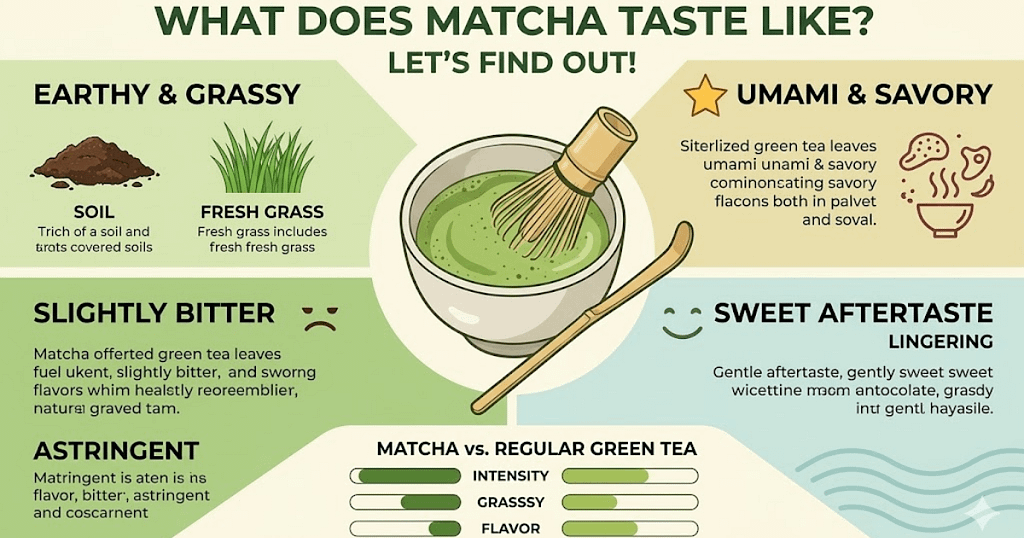
The flavor of matcha is complex and layered, offering multiple taste sensations in a single sip. At first, drinkers experience a pleasantly grassy and vegetal note, reminiscent of fresh green tea leaves harvested at their peak. This is followed by a natural sweetness called “umami,” which creates a savory richness on the palate.
High-quality matcha from regions like Uji delivers a smooth, creamy texture with minimal bitterness. The taste can be described as:
- Earthy and vegetal: Like freshly steamed greens with a hint of seaweed
- Naturally sweet: A subtle sweetness that emerges after the initial sip
- Slightly bitter: A pleasant astringency that balances the sweetness
- Creamy and smooth: A velvety mouthfeel when properly prepared
What Impacts the Flavor of Matcha?
Several factors influence how matcha tastes, from cultivation methods to storage conditions. Understanding these elements helps explain why prices vary significantly across stores and shops in cities like Shibuya, Asakusa, and Harajuku.
Growing Conditions: Tea plants grown in the shade for 20-30 days before harvest produce leaves with higher chlorophyll content and amino acids. This shading process, common in Japan’s top tea-growing regions, creates the vibrant green color and sweeter taste profile that premium matcha is known for.
Harvest Time: The first harvest in spring yields the most delicate and flavorful leaves. These early-season leaves produce ceremonial-grade matcha with superior taste compared to later harvests used for culinary purposes.
Processing Method: After harvesting, leaves are steamed, dried, and stone-ground into fine green tea powder. The grinding process and freshness significantly impact flavor quality.
Storage: Matcha oxidizes quickly when exposed to air, light, or heat. Proper storage in airtight containers away from hot water and sunlight preserves its fresh taste and vibrant color.
How to Use Matcha to Get the Best Taste
Preparing matcha correctly maximizes its flavor potential, whether making traditional tea or incorporating it into food and desserts. Here’s an essential guide to getting the best results:
Traditional Preparation:
- Sift 1-2 teaspoons of green tea powder to remove clumps
- Add hot water heated to 70-80°C (not boiling)
- Whisk vigorously in a zigzag motion until frothy
- The average price for quality preparation tools ranges from 2,000 to 5,000 yen at specialty stores
Modern Applications: Many restaurants and coffee shops in Tokyo, Osaka, and Kyoto now offer matcha in creative ways. Visitors can experience matcha lattes, smoothies, and various desserts that showcase the powder’s versatility.
Timing Matters: Drink matcha within minutes of preparation for optimal taste. The flavor profile changes as it sits, becoming more bitter over time.
Matcha Tastes in Different Forms
The experience of matcha varies depending on how it’s consumed, offering something for everyone’s preferences.
Pure Matcha Tea: The traditional preparation highlights the authentic flavor—earthy, slightly bitter, with natural umami sweetness. This form is popular in tea ceremonies and among purists who appreciate Japanese culture.
Matcha Lattes: Combining matcha with milk creates a creamier, sweeter beverage that balances the tea’s natural bitterness. Coffee shops throughout Omotesando, Yoyogi, and Akihabara serve variations using different milk types and sweeteners.
Matcha Desserts and Lunches: From ice cream to cakes, cookies, and even savory items like ramen and sushi accompaniments, matcha adds a distinctive flavor. Department stores and shops in areas like Ueno and Don Quijote locations offer a wide range of matcha-flavored souvenirs and food items.
Matcha in Dining: Some restaurants incorporate matcha into complete meal experiences, offering everything from teppanyaki seasonings to unique teishoku sets. The variety available across Japan showcases the powder’s adaptability.
Why People Love the Taste
The growing obsession with matcha, particularly among younger generations, stems from multiple factors beyond just taste. International visitors traveling through Shibuya’s neon walk or exploring Yoyogi Park often seek out authentic matcha experiences.
Health Benefits: Many consider matcha healthier than coffee due to its antioxidants, sustained energy without jitters, and metabolic benefits. This appeals to health-conscious shoppers browsing drug stores and pharmacies for wellness products.
Cultural Connection: Drinking matcha creates a link to Japan’s traditions and art. The experience offers a moment of mindfulness in busy cities, whether at a table in a quiet tea shop or a modern café near Tokyo station.
Unique Experience: The taste stands out in a world of ordinary beverages. Unlike regular green tea, matcha provides intensity and complexity that makes each sip interesting.
Versatility: The ability to enjoy matcha in countless ways—from traditional tea to burgers, beef bowls, and even kutani ware presentations—means everyone can find a version they love.
For more guides & news, you can visit our website
FAQs about What Does Matcha Taste Like?
Why is Gen Z obsessed with matcha?
Gen Z loves matcha for its Instagram-worthy appearance, health benefits, sustainable culture, and unique taste that differs from mainstream coffee. It represents wellness and authentic experiences.
What is matcha flavor similar to?
Matcha tastes similar to high-quality green tea but more concentrated, with earthy, vegetal notes like steamed spinach or seaweed, plus natural sweetness and a creamy finish when properly prepared.
Is matcha healthier than coffee?
Matcha offers sustained energy without crashes, contains more antioxidants, and provides L-theanine for calm focus. Both have benefits, but matcha supports different wellness goals than coffee.
Is matcha meant to taste fishy?
No, quality matcha shouldn’t taste fishy. A fishy or overly grassy flavor indicates lower-grade matcha or improper storage. Premium varieties from Uji have sweet, smooth, umami-rich profiles.