Battery lawn equipment continues transforming residential landscaping. Gas engines once dominated yards across country. Today, high-voltage cordless mowers deliver serious torque, quieter operation, reduced maintenance, cleaner performance. Debate around 80V vs 60V mower centers on power output, runtime, cutting efficiency, battery ecosystem, long-term value.
Brands like Greenworks, EGO Power+, Toro push innovation in high-voltage platforms. Homeowners now face important decision: choose 80V mower for maximum power or 60V mower for balanced performance and versatility?
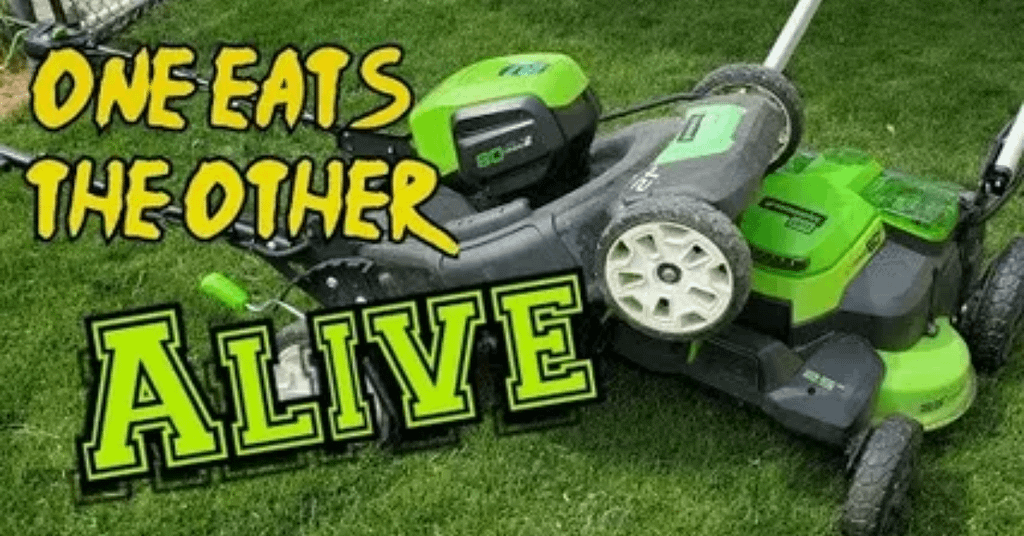
This detailed guide compares 80V vs 60V mower systems using hands-on expertise, manufacturer data, landscaping experience. You gain clarity on torque delivery, battery longevity, grass conditions, yard size, cost efficiency, durability, overall ownership value.
Understanding Voltage in Cordless Mowers
Voltage measures electrical potential driving motor. Higher voltage generally means stronger motor performance. However, voltage alone does not define total power. Amp hours, motor efficiency, blade design, deck size, controller technology all influence cutting ability.
An 80V mower typically delivers more raw torque than 60V mower. That difference shows in thick grass, wet conditions, overgrown lawns. Yet modern 60V systems narrow gap significantly due to improved brushless motors and smart power management.
Voltage comparison must consider full system design rather than simple number on battery label.
Read Also: Smart Outdoor Living: Design a Connected Backyard Space
80V Mower Performance
Power and Torque Output
80V mowers deliver aggressive cutting strength. Dense Bermuda grass, tall fescue, heavy spring growth challenge weaker machines. 80V platforms power through thick patches without bogging down.
Manufacturers like Greenworks built 80V lineup specifically targeting homeowners transitioning from gas equipment. Torque curve feels closer to small gas engine, especially during high-load situations.
If yard exceeds half acre with heavy grass density, 80V motor offers noticeable advantage.
Runtime Expectations
Runtime depends on amp-hour rating. Common 80V battery packs range from 2Ah to 5Ah or higher. Larger capacity extends mowing session significantly.
For medium yard around quarter to half acre, single 4Ah or 5Ah battery often completes job. Larger properties may require second battery.
Charging times remain reasonable with rapid chargers, typically under one hour for partial recharge.
Ideal Use Case
80V mower suits large yards, uneven terrain, thick grass varieties, homeowners prioritizing maximum power. Performance confidence increases in challenging mowing conditions.
However, higher voltage platform often weighs slightly more due to battery size. Storage footprint may also increase.
60V Mower Performance
Balanced Power Delivery
60V mowers provide strong, efficient cutting suitable for most suburban lawns. Advanced brushless motors compensate for lower voltage through optimized energy control.
Brands like Toro and EGO Power+ engineered 60V systems delivering impressive blade speed consistency.
For standard residential lawns under half acre with regular maintenance, 60V mower handles mowing effortlessly.
Battery Ecosystem Advantage
Many 60V platforms integrate across multiple yard tools including trimmers, blowers, chainsaws, snow blowers. Investing in one battery system expands flexibility.
Homeowners appreciate compatibility across product line. Battery interchangeability reduces total cost compared to separate voltage systems.
Weight distribution in 60V mower often feels slightly lighter than 80V equivalent, improving maneuverability.
Ideal Use Case
60V mower fits small to medium lawns maintained weekly. Users seeking balance between power, cost, portability find 60V option highly practical.
80V vs 60V Mower: Cutting Performance Comparison
Real-world cutting depends on grass height, moisture level, terrain complexity.
In dry, moderate growth conditions, difference between 80V vs 60V mower feels minimal. Both cut cleanly with sharp blade, proper deck height.
In tall, wet, thick grass, 80V mower maintains blade speed more consistently. Reduced slowdown results in cleaner cut, fewer clumps, smoother finish.
If mowing schedule occasionally slips, allowing grass to grow long, 80V offers recovery power. For disciplined weekly mowing routine, 60V remains sufficient.
Noise and Vibration Levels
Both voltage classes produce significantly less noise than gas engines. Electric torque delivers smooth startup without pull cords, fuel mixing, carburetor adjustments.
Noise levels remain neighbor-friendly. Early morning mowing becomes less disruptive. Vibration reduction improves operator comfort during longer sessions.
Voltage difference does not significantly impact noise output. Motor design and deck insulation influence sound more than voltage rating.
Maintenance and Reliability
Electric mowers eliminate oil changes, spark plug replacement, fuel stabilization, carburetor cleaning. Both 80V and 60V models benefit from low maintenance profile.
Routine care includes blade sharpening, deck cleaning, battery storage management.
Lithium-ion battery longevity depends on proper charging habits. Avoid extreme heat storage. Follow manufacturer recommendations for seasonal storage.
Higher voltage does not necessarily reduce reliability. Quality of electronics, battery management system, motor engineering matters more than voltage figure.
Cost Considerations
80V mowers often cost slightly more due to larger batteries and heavier-duty motors. Replacement batteries may also carry higher price tag.
60V systems frequently offer wider product ecosystem at competitive pricing. Entry cost may feel more accessible for first-time cordless buyer.
Long-term savings appear in fuel elimination, reduced maintenance, fewer repair visits.
Cost evaluation should consider yard size, mowing frequency, desire for additional compatible tools.
Weight and Maneuverability
Battery weight influences overall mower handling. 80V battery packs tend to weigh slightly more. That difference becomes noticeable during tight turns, slope navigation, storage lifting.
60V mowers typically feel agile, especially in smaller yards with landscaping obstacles, garden beds, narrow pathways.
Self-propelled models offset weight difference significantly. Personal comfort preference plays key role.
Environmental Impact
Both 80V and 60V mowers produce zero direct emissions during operation. Reduced carbon footprint compared to gas engines supports environmentally conscious homeowners.
Charging battery consumes electricity, but overall environmental impact remains lower than gasoline combustion.
Quieter operation also reduces noise pollution within community.
Expert Recommendation Based on Yard Size
For lawns under quarter acre with regular maintenance, 60V mower delivers excellent performance, lighter handling, cost efficiency.
For lawns between quarter acre and half acre with moderate density, either option works effectively. Decision depends on preference for added torque or lighter maneuverability.
For lawns exceeding half acre, uneven terrain, thick grass species, 80V mower provides confidence and stronger sustained power output.
Professional landscapers often select higher voltage systems for reliability under demanding workloads.
Future of High-Voltage Lawn Equipment
Battery technology continues advancing rapidly. Energy density improves. Charging speeds increase. Smart diagnostics integrated into tools enhance efficiency.
Competition between brands accelerates innovation. Expect lighter batteries with higher capacity, improved motor controllers, enhanced blade designs.
Voltage numbers may become less critical as motor efficiency evolves. Overall system engineering determines real-world performance.
Conclusion
Choosing between 80V vs 60V mower depends on yard conditions, mowing habits, budget, personal handling preference. 80V models deliver stronger torque for heavy-duty tasks and larger properties. 60V mowers provide balanced performance suitable for majority of residential lawns.
Both options eliminate gas hassles, reduce maintenance, support quieter, cleaner landscaping routine. Focus on battery ecosystem compatibility, deck size, runtime capacity rather than voltage alone.
With thoughtful selection, cordless mower becomes reliable, efficient tool that simplifies lawn care season after season. Power difference matters, but correct match between mower capability and yard demands matters more.
FAQs
Which is more powerful, 80V or 60V mower?
80V mowers deliver higher torque, better for thick grass and large lawns, while 60V mowers suit smaller or medium yards.
Can a 60V mower handle tall grass?
Yes, but 80V mowers maintain blade speed more consistently in very thick or overgrown grass.
Do 80V mowers run longer than 60V?
Runtime depends on amp-hour rating. Both voltage classes can handle typical lawns, but higher capacity 80V batteries last longer.
Are electric mowers better than gas?
Electric mowers produce zero emissions, quieter operation, low maintenance, and no fuel needed compared to gas models.
Which mower is best for small lawns?
A 60V mower is lightweight, cost-effective, and sufficient for lawns under a quarter acre with regular maintenance.